The safe disposal of biohazardous or regulated medical waste is a critical concern for any life science facility. Traditionally disposal of this waste involves multiple transport steps and human conta ... read more ›
Discover the GENERATIONS system, the new standard in effluent filtration for biomedical waste. Get the full technical specifications and ensure compliance. Download now. ... read more ›
In our modern world, the disposal of plastic waste has become a pressing issue, with incineration and landfilling being two common methods employed. However, the negative impacts of these practices ar ... read more ›
The healthcare sector, whose mission is protecting and promoting health, makes a major contribution to the climate crisis. Healthcare’s climate footprint is equivalent to 4.4%* of global net emissio ... read more ›
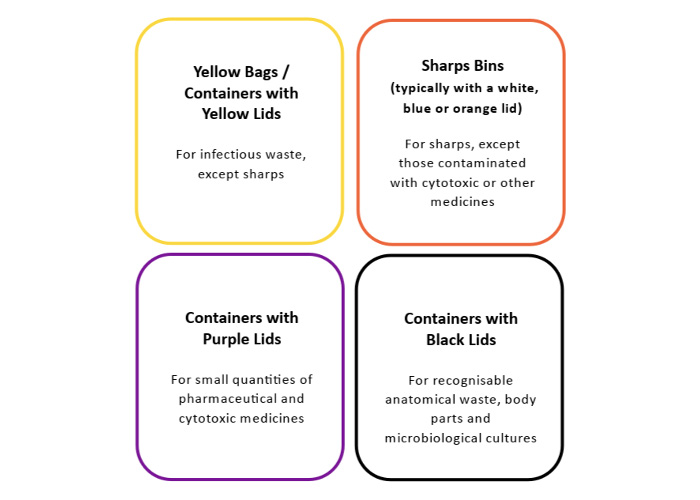
The HSE Waste Management handbook defines Healthcare Waste as solid or liquid waste arising from healthcare or health related facilities. The waste comprises two fractions, namely risk waste and non-r ... read more ›
The aim of this study was to assess the suitability for recycling of output materials from thermal and non-thermal treatment technologies. The study compares details of post-processed output materials ... read more ›
In partnership with the National Renewable Energy Labs (NREL) and Envetec, My Green Lab has developed a standard testing method for steam sterilizers/autoclaves to enable the comparison of energy a ... read more ›
By submitting this form, you are consenting to receive marketing emails from Envetec. You can revoke your consent to receive emails at any time by using the SafeUnsubscribe® link, found at the bottom of every email. Emails are serviced by Constant Contact